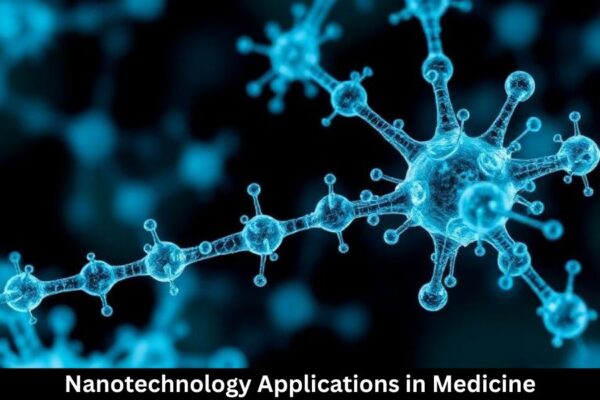
Nanotechnology is reshaping the world of healthcare in ways that would have seemed like science fiction a few decades ago. It’s all about working at a tiny scale—so tiny that these particles and devices can interact with individual cells, tissues, and even molecules.
What Is Nanotechnology?
Nanotechnology involves manipulating matter at the nanoscale (roughly 1–100 nanometers). At this size, materials can behave differently—becoming stronger, more reactive, or more effective in medical applications.
Why Nanotechnology Matters in Modern Healthcare
From fighting cancer to repairing tissues, nanotechnology enables precision, efficiency, and personalization. It allows doctors to treat diseases in smarter, less invasive ways.
How Nanotechnology Works in the Human Body
Understanding Nanoparticles
Nanoparticles come in many forms—liposomes, gold particles, quantum dots, polymer-based particles—all designed for specific tasks, like carrying drugs or highlighting cancer cells during imaging.
Targeted Drug Delivery Mechanisms
Instead of flooding the body with medication, nanoparticles carry drugs directly to diseased cells. It’s like sending a guided missile to only the problem area.
Interaction with Cells and Tissues
Nanoparticles can bind to receptors, enter cells, or move through tissues thanks to their tiny size, making them incredibly effective in medical treatments.
Nanotechnology in Drug Delivery
Precision Medicine and Personalized Treatment
Nanocarriers allow treatments tailored to the individual. They can be engineered to release medication slowly, rapidly, or only when triggered by certain conditions.
Reduced Side Effects Compared to Traditional Treatments
Because the drug targets specific cells, healthy tissues stay mostly untouched—meaning fewer side effects.
Nanocarriers for Cancer Therapy
Nanoparticles can carry chemotherapy drugs right into tumor cells, increasing effectiveness and minimizing damage to the rest of the body.
Nanotechnology in Diagnostics
Early Disease Detection
Nanotech-based diagnostic tools can detect diseases before symptoms even appear. Early detection means better outcomes.
Nano-Biosensors
These sensors can identify proteins, DNA fragments, or pathogens instantly. They’re small enough to work inside the body or in handheld devices.
Imaging Enhancements with Nanoparticles
Quantum dots, magnetic nanoparticles, and gold nanoparticles improve MRI, CT, and fluorescence imaging—helping doctors see issues more clearly.
Nanotechnology in Cancer Treatment
Nano-Enabled Chemotherapy
This approach attacks tumors with better accuracy. It boosts the effectiveness of chemotherapy while reducing toxicity.
Photothermal and Photodynamic Therapy
Nanoparticles heat up when exposed to light, killing cancer cells without harming surrounding tissue. In photodynamic therapy, they activate drugs using laser light.
Tumor Targeting and Nanorobots
Emerging research suggests tiny nanorobots may one day travel through the bloodstream to destroy cancer cells directly.
Nanotechnology in Regenerative Medicine
Tissue Engineering
Nanomaterials help create artificial tissues using a combination of scaffolds, cells, and growth factors.
Nano-Scaffolds for Cell Growth
These scaffolds mimic natural tissue structures, helping cells grow and repair damaged organs.
Wound Healing Applications
Nanofibers and nano-coatings help wounds heal faster and reduce infection risks.
Nanotechnology in Antimicrobial Treatment
Nano-Coatings for Medical Devices
Medical devices can harbor bacteria. Nanocoatings prevent microbial growth, lowering the risk of hospital-acquired infections.
Fighting Antibiotic Resistance
Nanoparticles can attack bacteria in ways antibiotics can’t—offering a new weapon against resistant strains.
Silver Nanoparticles in Infection Control
Silver nanoparticles are powerful antimicrobial agents used in bandages, creams, and hospital equipment.
Nanotechnology in Neurology
Crossing the Blood–Brain Barrier
Most drugs struggle to pass into the brain. Nanoparticles can cross this barrier, enabling treatment for neurological diseases.
Treating Neurodegenerative Diseases
Conditions like Alzheimer’s and Parkinson’s may benefit greatly from targeted nano-drug delivery.
Nano-Neuromodulators
These can stimulate or regulate brain activity, offering potential for treating epilepsy, depression, and more.
Nanotechnology in Cardiovascular Medicine
Stent Coatings and Nano-Materials
Nanocoated stents prevent blood clots and inflammation, improving outcomes after cardiac procedures.
Targeting Plaques with Nanoparticles
Nanoparticles can target arterial plaques, allowing early treatment and reducing the risk of heart attacks.
Ethical and Safety Considerations
Potential Risks of Nanoparticles
Because nanoparticles are so small, they might accumulate in organs or cause unknown long-term effects.
Regulatory Challenges
Governments are still figuring out how to regulate nanomedicine safely and effectively.
Long-Term Safety Concerns
We need more research to understand how nanoparticles behave in the body over many years.
The Future of Nanomedicine
Smart Nanorobots
Imagine tiny robots patrolling your bloodstream, repairing tissues, or eliminating pathogens. It’s not far from reality.
AI Integration with Nanotechnology
AI can design better nanoparticles, predict outcomes, and personalize treatment plans.
Nanotechnology in Personalized Healthcare
Nano-based treatments will soon become standard in personalized medicine—helping tailor healthcare to the individual.
Conclusion
Nanotechnology is transforming medicine from the inside out. Its tiny tools hold enormous potential—from targeted drug delivery and early disease detection to regenerative medicine and advanced cancer treatments. As research grows and technology evolves, nanomedicine will continue pushing boundaries, opening doors to safer, more effective, and more personalized healthcare. The future of medicine is small—nanoscopically small—but its impact will be massive.
FAQs
1. Is nanotechnology safe for medical use?
Most approved nanomedicine treatments are considered safe, but long-term effects are still being studied.
2. How is nanotechnology used in cancer treatment?
Nanoparticles deliver chemotherapy drugs directly to tumors and support therapies like photothermal treatment.
3. Can nanotechnology help diagnose diseases earlier?
Yes, nano-biosensors and imaging nanoparticles detect diseases at very early stages.
4. What are nanorobots in medicine?
Nanorobots are tiny devices designed to perform tasks like targeting cancer cells or repairing tissues inside the body.
5. Will nanotechnology replace traditional medicine?
It won’t replace it—but it will enhance, improve, and revolutionize many areas of treatment.