Foldable smartphones are one of the biggest tech innovations of the decade. With their futuristic design, flexible displays, and promise of blending the power of a tablet with the convenience of a phone, it’s no surprise they’re getting so much attention. But with innovation comes questions—Are they worth the price? Are they durable? Should you buy one?
Let’s break it all down in a clear and easy-to-understand way.
Introduction to Foldable Smartphones
What Are Foldable Smartphones?
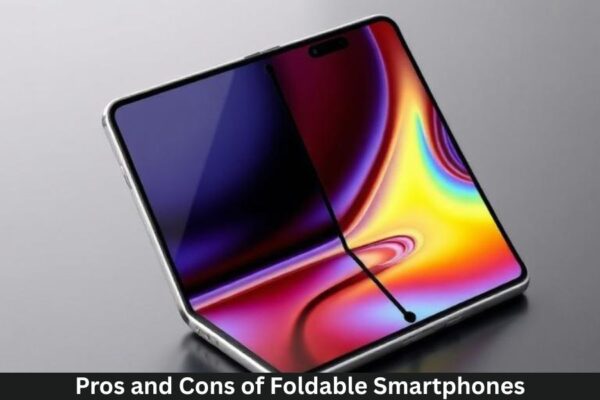
Foldable smartphones are devices designed with flexible display technology that allows the screen to fold either inward or outward. Think of it like having a smartphone that transforms into a mini-tablet when you unfold it. This isn’t just a design trick—it’s a whole new category of mobile experience.
Why They’ve Become a Tech Trend
People love innovation, especially when it makes life easier. Foldables provide bigger screens without taking up more pocket space. Plus, tech companies keep improving their durability, making them more appealing.
The Pros of Foldable Smartphones
Larger Screen in a Compact Body
The biggest advantage? You get the convenience of a regular phone with the expanded screen space of a small tablet.
Enhanced Multitasking Experience
Multi-window features let you run multiple apps simultaneously. You can check email, watch videos, and browse the internet—all at once.
Improved Productivity and Workflow
If you’re someone who works on the go, foldable phones can feel like a game changer.
Split-Screen Functionalities
Side-by-side apps make editing documents, taking notes, or comparing data super convenient.
Better Entertainment and Gaming
Foldable phones offer a theater-like experience right in your hands.
Immersive Viewing Experience
Unfold your screen, and suddenly your movie, game, or YouTube video feels much more immersive.
Innovative Design and Future-Proof Appeal
There’s something undeniably cool about owning a foldable device. It’s futuristic and stands out from traditional phones.
Versatility for Professional Use
Designers, photographers, and business professionals can benefit from the larger canvas for creativity and productivity.
The Cons of Foldable Smartphones
High Price Point
Unfortunately, innovation comes at a cost—literally.
Why Foldables Cost More
Flexible displays, advanced hinges, and premium materials drive up the price. Most foldables are significantly more expensive than standard smartphones.
Durability Issues
Foldable phones are durable enough, but still more fragile than traditional devices.
Hinge Problems and Screen Creases
The hinge mechanism can wear out over time. And yes, the crease in the middle of the screen is still noticeable in many models.
Shorter Battery Life
More screen space = more power consumption. Even with dual batteries, foldables often struggle to last as long as regular phones.
App Compatibility Limitations
Not all apps are optimized for foldable screens, leading to awkward layouts or scaling issues.
Bulkier and Heavier Designs
Although they fold, these phones are often thicker and heavier than standard smartphones.
Comparing Foldable Phones With Traditional Smartphones
Portability
Traditional phones are slimmer and lighter, but foldables offer more functionality.
Performance Differences
Most foldable devices are high-end, meaning powerful processors—but can still face performance hiccups due to screen transitions.
User Preference Trends
Some people love new tech; others prefer reliability and simplicity. Foldables aren’t for everyone, and that’s okay.
Are Foldable Smartphones Worth It?
Who Should Consider Buying One
- Tech enthusiasts
- Multitaskers
- Professionals needing bigger screens
- Gamers and content watchers
Who Might Stick to a Regular Phone
- Budget-conscious buyers
- People who prioritize durability
- Users who prefer lightweight phones
The Future of Foldable Smartphones
Upcoming Improvements
Expect better hinges, fewer screen creases, and more durable materials.
What to Expect in the Next Few Years
Foldable phones will become cheaper, more common, and better optimized. We may even see rollable or tri-fold devices.
Conclusion
Foldable smartphones bring fresh innovation to the mobile world, offering large screens, improved productivity, and unique designs. But they also come with drawbacks like higher prices and durability concerns. Whether they’re right for you depends on your needs, lifestyle, and willingness to adopt new technology.
As the tech continues to evolve, foldable smartphones might soon become the new normal. For now, they’re a bold step into the future—one that’s exciting, promising, and continuously improving.
FAQs
1. Are foldable smartphones durable?
They’re improving, but still more delicate than traditional smartphones due to their hinges and flexible displays.
2. Do foldable phones have a noticeable screen crease?
Most do, though newer models are minimizing it significantly.
3. Are they worth the higher price?
Yes—if you value multitasking, larger screens, and cutting-edge design.
4. Do foldable smartphones support all apps?
They support most apps, but not all are fully optimized for foldable layouts.
5. Will foldable phones become cheaper?
As the technology evolves and becomes more widespread, prices are expected to drop.