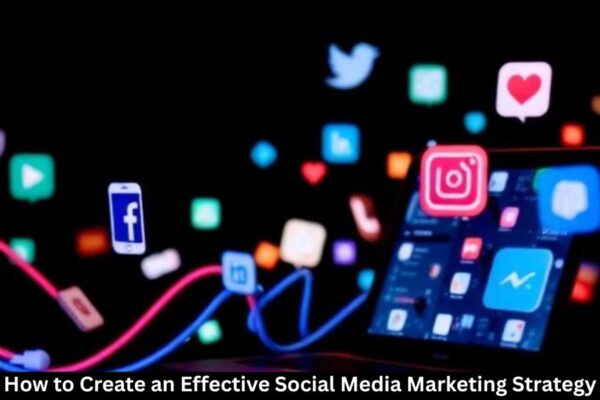
Building a successful social media presence isn’t just about posting pretty pictures or catchy lines. It’s about creating a strategic roadmap that helps you grow your brand, engage your audience, and drive meaningful results. With billions of active users across platforms, social media is no longer optional—it’s essential.
Why Social Media Marketing Matters
Social media helps brands increase visibility, build trust, and connect with customers on a personal level. It’s where people spend their time, share experiences, and make buying decisions. If you’re not using social media strategically, you’re missing a massive opportunity.
How Social Media Has Changed Brand Communication
Gone are the days of one-way communication. Now, customers expect fast responses, real conversations, and brands that listen. Social media has transformed businesses from “advertisers” to “community leaders.”
Understanding Your Target Audience
Identifying Demographics and Interests
Before creating content, you must understand who you’re speaking to. Consider:
- Age
- Gender
- Location
- Interests
- Online behavior
Once you know what your audience likes, you can tailor your posts to match their preferences.
Using Buyer Personas to Refine Your Strategy
Think of buyer personas as your “ideal customer profiles.” They help you humanize your audience and create more targeted and effective content.
Setting Clear Social Media Goals
SMART Goal Framework
Your goals must be:
- Specific
- Measurable
- Achievable
- Relevant
- Time-bound
For example, “Increase Instagram engagement by 20% in 90 days” is a SMART goal.
Examples of Effective Social Media Goals
- Grow followers
- Boost engagement
- Increase website traffic
- Generate leads
- Improve brand awareness
Choosing the Right Social Media Platforms
Overview of Major Platforms
- Facebook – Great for ads and broad demographics
- Instagram – Ideal for visuals, reels, and influencers
- LinkedIn – Best for B2B and professional networking
- TikTok – Perfect for short-form entertainment
- Twitter/X – Real-time conversations and updates
- Pinterest – Excellent for lifestyle, DIY, and eCommerce
How to Match Platforms With Your Audience
Choose platforms where your audience is most active. For example:
- Selling fashion? Instagram and TikTok are your best friends.
- Offering business services? LinkedIn is your gold mine.
Creating High-Quality Content
Types of Content That Perform Well
- Reels and short videos
- Carousel posts
- Memes
- Infographics
- Testimonials and case studies
- Behind-the-scenes content
Tips for Producing Engaging Visuals and Copy
- Use eye-catching thumbnails
- Keep captions clear and conversational
- Add CTAs (call-to-actions)
- Maintain brand colors and tone
Using Storytelling for Better Engagement
People don’t remember data—they remember stories. Share customer journeys, your brand’s mission, or relatable moments.
Building a Consistent Posting Schedule
Importance of Consistency
Posting regularly helps you stay visible and relevant. Consistency builds trust and boosts algorithm performance.
Tools for Scheduling Content
- Buffer
- Hootsuite
- Later
- Meta Business Suite
These tools help automate posting so you never miss a day.
Leveraging Analytics and Insights
Tracking Key Metrics
Common metrics include:
- Impressions
- Reach
- Engagement rate
- Click-through rate
- Followers gained
Evaluating What Works and What Doesn’t
Look for patterns. If reels perform better than static posts, prioritize video content. Data helps you make smarter decisions.
Engaging With Your Audience
Responding to Comments and Messages
A quick reply shows your audience you care. This simple step builds strong relationships and trust.
Building Community Through Interaction
Ask questions, run polls, encourage user-generated content, and create conversations—not just posts.
Using Paid Advertising in Social Media
Benefits of Paid Social Campaigns
- Faster brand awareness
- Precise audience targeting
- Measurable results
- Scalable campaigns
Targeting and Retargeting Strategies
Paid ads allow you to reach people based on behavior, interests, and demographics. Retargeting helps bring back users who interacted but didn’t convert.
Collaborations & Influencer Marketing
Choosing the Right Influencers
Look for influencers whose audience matches your target audience—not just big follower numbers.
Measuring Influencer Campaign ROI
Track:
- Engagement rates
- Promo code usage
- Website traffic
- Sales generated
Monitoring Competitors
Competitor Analysis Tools
- Social Blade
- SEMrush
- BuzzSumo
- Sprout Social
Learning From Competitor Successes
Observe their mistakes and successes. Use insights to refine your own strategy.
Adapting and Improving Your Strategy
Keeping Up With Trends
Social media changes fast. Stay updated with new features, trends, and algorithm updates.
Updating Your Strategy Based on Performance
A strategy isn’t set in stone. Adjust monthly or quarterly for maximum results.
Conclusion
Creating an effective social media marketing strategy involves more than posting randomly. It requires understanding your audience, setting clear goals, choosing the right platforms, and delivering high-quality content consistently. When paired with analytics, paid ads, and community engagement, your brand can grow faster than you ever imagined. Start small, stay consistent, and keep experimenting—success follows those who adapt.
FAQs
1. How often should I post on social media?
Aim for 3–5 times a week, but consistency is more important than frequency.
2. Which social media platform is best for beginners?
Instagram and Facebook are great starting points due to their large user base and easy tools.
3. How long does it take to see results from social media marketing?
Most businesses see noticeable improvements within 3–6 months of consistent posting.
4. Do I need paid ads to grow on social media?
Not always, but paid ads can significantly accelerate your growth.
5. What is the most important part of a social media strategy?
Understanding your audience—a good strategy begins with knowing who you’re talking to.