
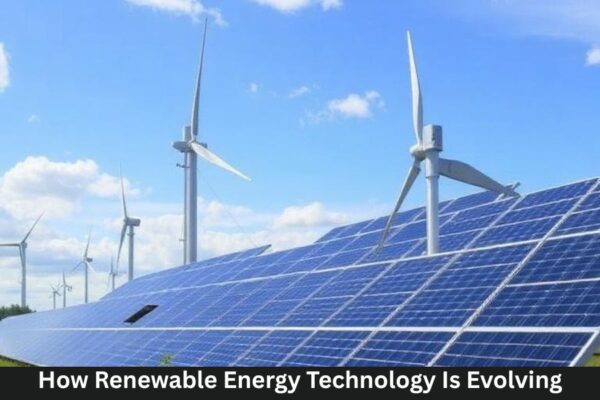
The world is shifting toward clean energy faster than ever before. With climate change accelerating and fossil fuels declining, renewable energy is stepping in as the hero we’ve needed all along. But here’s the exciting part: renewable technology isn’t just growing—it’s evolving at lightning speed.
The Shift Toward Clean Energy
More homes, businesses, and countries are turning to renewables because they’re cleaner, cost-effective, and sustainable. It’s no longer just an environmental choice; it’s a smart economic one too.
Why Innovation Matters Now More Than Ever
As global populations rise and energy demands skyrocket, the need for reliable, renewable solutions becomes critical. Innovation helps renewables become more efficient, more affordable, and more accessible.
Key Drivers Behind Renewable Energy Growth
Climate Change and Global Commitments
Countries around the world are pledging net-zero goals, pushing renewable technology advancements rapidly.
Advances in Science and Engineering
Breakthroughs in materials, AI, and engineering are making renewable systems more powerful and efficient.
Government Policies and Incentives
Tax credits, subsidies, and international agreements are fueling renewable adoption like never before.
The Evolution of Solar Energy Technology
Next-Generation Solar Panels
Solar energy has come a long way from bulky rooftop panels.
Perovskite Solar Cells
These ultra-efficient, low-cost solar cells are revolutionizing the industry with greater flexibility and performance.
Bifacial Panels
They capture sunlight from both sides—doubling output with minimal extra cost.
Solar Tracking Systems
Tracking panels that follow the sun increase energy production by up to 40%.
Solar Batteries and Storage Innovations
Modern solar batteries can store more power, last longer, and integrate seamlessly with smart home systems.
How Wind Energy Is Transforming
Larger and More Efficient Turbines
Wind turbines are getting taller with longer blades, meaning more energy from lighter winds.
Offshore Wind Development
Offshore turbines tap into strong ocean winds, producing massive amounts of clean energy.
Floating Wind Farms
Floating platforms allow turbines to be placed in deeper waters, unlocking enormous wind potential.
Advances in Hydropower and Marine Energy
Low-Impact Hydropower Systems
Innovations now allow hydropower without major dams, reducing environmental impacts.
Tidal and Wave Energy Technologies
Marine energy is predictable and powerful—making it a future game-changer.
The Rise of Geothermal Innovations
Enhanced Geothermal Systems (EGS)
EGS uses advanced drilling to access heat deep underground, expanding geothermal capacity.
Geothermal Heat Pumps for Homes
These pumps heat and cool homes using the stable temperature beneath Earth’s surface.
Bioenergy Transformations
Biofuels From Waste
Organic waste is now being converted into renewable fuels, reducing landfill and emissions.
Algae-Based Renewable Fuels
Algae grows fast and produces high energy output—making it a promising fuel source.
Energy Storage: The Backbone of Future Renewables
Lithium-Ion Battery Improvements
Today’s lithium-ion batteries are smaller, stronger, safer, and cheaper.
Solid-State Batteries
Solid-state batteries promise faster charging and longer life.
Grid-Scale Storage Solutions
Massive battery farms stabilize renewable energy on cloudy, windless days.
Smart Grids and Digital Energy Management
AI and ML in Grid Optimization
AI predicts energy demands, manages distribution, and prevents outages.
Smart Meters and Consumer Control
Users can monitor and optimize their own energy usage in real time.
Hydrogen: The Future of Clean Fuel
Green Hydrogen Production
Green hydrogen—made from renewable electricity—could replace fossil fuels in heavy industries.
Hydrogen Fuel Cells
These cells generate electricity with only water vapor as a byproduct.
The Integration of Renewable Technologies
Hybrid Energy Systems
Combining solar, wind, and storage creates more stable energy systems.
Microgrids for Remote Areas
Small, self-sufficient grids bring clean energy to rural and isolated locations.
Challenges Slowing Renewable Energy Evolution
High Initial Costs
Even though renewables save money long-term, upfront costs remain a hurdle.
Storage Limitations
Battery technology is improving, but storing large amounts of energy is still challenging.
Infrastructure Challenges
Many regions lack the transmission lines needed for renewable expansion.
Future Predictions for Renewable Energy Technology
Ultra-Efficient Solar
Researchers are pushing toward 50% efficient solar panels.
Autonomous Energy Systems
Future systems will monitor, repair, and optimize themselves using AI and robotics.
Conclusion
Renewable energy technology is evolving rapidly—reshaping the global energy landscape one breakthrough at a time. With advancements in solar, wind, hydrogen, bioenergy, and storage systems, the future looks cleaner, smarter, and more sustainable. As innovation accelerates, renewables will not just complement traditional energy—they’ll replace it.
FAQs
1. What is driving the evolution of renewable energy?
Climate change, technological innovation, and global energy demands.
2. Will renewable energy become cheaper in the future?
Yes, ongoing advancements are reducing production and installation costs.
3. Which renewable technology is advancing fastest?
Solar and battery storage are currently evolving the quickest.
4. What is green hydrogen?
Hydrogen produced using renewable electricity with zero emissions.
5. Can renewable energy completely replace fossil fuels?
With current advancements, it’s highly possible within the coming decades.