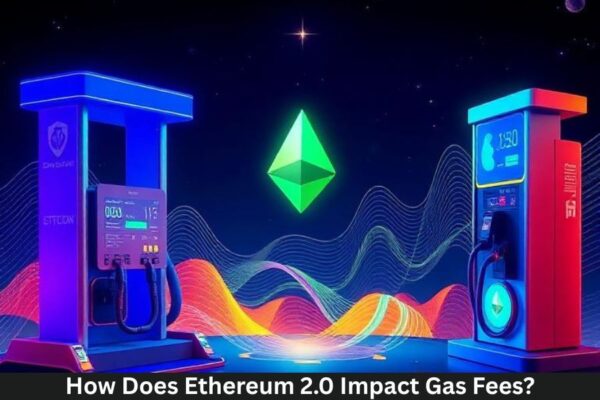
Ethereum has long been the backbone of decentralized applications, smart contracts, and the booming DeFi world. But with popularity comes problems—most notably sky-high gas fees. With the launch of Ethereum 2.0, many expected gas fees to drop instantly. But is that really what happened? Let’s break it down in simple, human terms.
Introduction to Ethereum and Gas Fees
What Are Gas Fees?
Gas fees are the charges you pay to process a transaction on the Ethereum blockchain. Think of them like highway tolls—every time you want to use the network, you pay a fee to keep things running smoothly.
Why Gas Fees Became a Problem
As more apps migrated to Ethereum, the network became crowded. Imagine a two-lane road suddenly being used by thousands of cars. Traffic jams were inevitable—and high gas fees came with it.
Understanding Ethereum 2.0
What Is Ethereum 2.0?
Ethereum 2.0 (often called Eth2 or “the Merge”) is a major upgrade designed to improve security, scalability, and energy efficiency.
Key Goals Behind the Upgrade
- Reduce energy usage
- Increase transaction capacity
- Improve overall network performance
How Ethereum 2.0 Differs from Ethereum 1.0
The biggest change? A new consensus mechanism, shifting from Proof-of-Work to Proof-of-Stake.
The Shift from PoW to PoS
Proof-of-Work vs Proof-of-Stake
- PoW: Miners use massive computing power
- PoS: Validators are chosen based on staked ETH
How PoS Improves Network Efficiency
PoS makes Ethereum greener and more efficient. No more expensive mining machines—just staking ETH to validate transactions.
The Role of Validators in Reducing Network Congestion
Validators help confirm transactions faster, but this alone doesn’t directly affect gas fees.
Does Ethereum 2.0 Directly Reduce Gas Fees?
The Biggest Misconception About Eth2
Many people believed the Merge would magically lower fees. But truth is, the Merge did NOT increase transaction capacity.
What the Merge Actually Changed
- Reduced energy usage by 99.95%
- Improved network security
- Prepared the network for future scalability upgrades
Why Gas Fees Did Not Drop Overnight
Because gas fees depend on network demand. Ethereum 2.0 alone didn’t increase the number of transactions the network can process—yet.
Scalability Upgrades in Ethereum 2.0
Introducing Sharding
Sharding will break Ethereum into many smaller chains running in parallel—like turning a two-lane road into a massive highway.
How Sharding Impacts Network Load
More lanes = less congestion = lower fees.
The Expected Long-Term Effect on Gas Fees
Once sharding is fully implemented, Ethereum will handle more transactions simultaneously. This could lead to significantly lower gas fees, especially when combined with Layer 2 rollups.
Layer 2 Solutions Still Matter
Why Rollups Are Essential
Rollups handle transactions off-chain and then post the final result to Ethereum. This reduces the workload on the main chain.
How Layer 2 and Ethereum 2.0 Work Together
Ethereum 2.0 focuses on security and long-term scalability, while L2s focus on lowering costs and speeding up transactions.
Examples of L2 Networks Lowering Gas Costs
- Arbitrum
- Optimism
- Polygon
- zkSync
Many users already save up to 90% in gas fees using these networks.
The Real Impact of Ethereum 2.0 on Users
Faster Transactions
PoS improves finality—transactions confirm faster and more reliably.
Lower Environmental Impact
The Merge reduced Ethereum’s carbon footprint dramatically.
Improved Network Reliability
Fewer outages, smoother performance, and a more secure system.
Future Upgrades After Ethereum 2.0
The Surge
This phase will introduce full sharding, boosting network throughput.
The Verge, Purge, and Splurge
These upgrades will:
- Make the blockchain more storage-efficient
- Improve decentralization
- Clean up old data to speed up operations
How These Will Further Reduce Gas Fees
More efficiency = less congestion = lower transaction fees.
Conclusion
Ethereum 2.0 is a monumental upgrade, but it’s not a magic wand. While the Merge didn’t directly slash gas fees, it laid the foundation for a future where transactions are faster, cheaper, and more efficient. As sharding rolls out and Layer 2 solutions expand, users can expect a more affordable Ethereum ecosystem.
FAQs
1. Did Ethereum 2.0 reduce gas fees immediately?
No, gas fees didn’t drop right after the Merge because network capacity didn’t increase.
2. Will future Ethereum upgrades lower gas fees?
Yes. Upgrades like sharding and the Surge are expected to reduce gas fees significantly.
3. Does staking impact gas fees?
Staking improves network security but doesn’t directly affect fees.
4. Should users switch to Layer 2 for lower gas fees?
Absolutely—Layer 2 solutions already offer much cheaper transactions.
5. Is Ethereum still a good option despite high gas fees?
Yes. Ethereum remains the most secure and widely used smart contract platform, and long-term upgrades aim to make