Let’s be honest — if travel had a taste, India would be a full-course feast. Food here isn’t just nourishment; it’s emotion, celebration, memory, and sometimes even friendly competition between regions. Recipes are guarded like family secrets, spice blends are perfected over generations, and every bite tells a story.
From the smoky aroma of roadside grills to the sizzling symphony of frying pans, India seduces you through your senses. You don’t just “eat” here — you experience food.
Street Food as Everyday Art
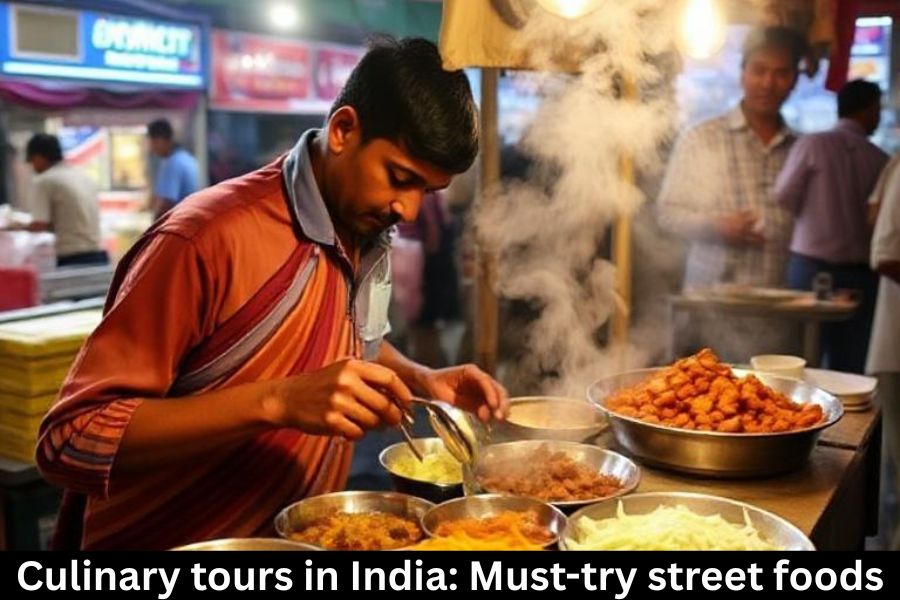
Street food in India is where culinary magic truly lives. No polished silverware, no fancy tablecloths — just raw, unapologetic flavor. Vendors work with speed and precision that rivals professional chefs. A flick of the wrist, a dash of masala, a squeeze of lime — and suddenly you’re holding something unforgettable.
It’s affordable, authentic, and wildly addictive.
What Makes Indian Street Food Special
Bold Spices and Layered Textures
Indian street food plays with contrasts like a skilled musician. Crunchy meets creamy. Sweet collides with spicy. Tangy dances with savory. One snack can deliver five sensations at once.
Think about it: crispy shell, spicy filling, chilled mint water, tamarind chutney, yogurt drizzle — all happening in seconds inside your mouth. It’s not food; it’s fireworks.
Regional Diversity on Every Corner
India isn’t a single cuisine — it’s dozens of culinary worlds coexisting. Travel 200 kilometers and the flavors shift dramatically. Different oils, spices, cooking techniques, even eating habits.
That’s why culinary tours in India feel like multiple trips wrapped into one delicious journey.
Delhi – The Kingdom of Chaat
If street food had a capital city, Delhi would wear the crown.
Golgappa (Pani Puri)
Tiny, crispy spheres filled with spicy water, chickpeas, and potatoes. Sounds simple? It’s anything but. The explosion of mint, tamarind, chili, and crunch is pure chaos — the good kind.
One is never enough. Five is standard. Ten is common. Regret? Impossible.
Aloo Tikki
Golden potato patties fried to crispy perfection, topped with yogurt and chutneys. Warm, cool, sweet, spicy — it’s like comfort food that decided to dress up for a festival.
Papdi Chaat
Crispy wafers layered with curd, chutneys, and spices. Every spoonful is a different surprise. It’s messy, loud, and completely worth it.
Mumbai – Fast, Fiery, and Flavorful
Mumbai’s street food mirrors the city itself: energetic, intense, unstoppable.
Vada Pav
Often called India’s burger — but honestly, that comparison feels unfair. A spicy potato fritter hugged by a soft bun, smeared with chutneys, punched with garlic spice.
Cheap. Filling. Legendary.
Pav Bhaji
A buttery, spicy vegetable mash served with toasted buns. The vendor mashes, flips, seasons, and serves with theatrical flair. The smell alone can pull you across the street like a magnet.
Bombay Sandwich
Layers of vegetables, chutney, spice, and sometimes cheese. Grilled until crisp. It’s crunchy, herby, refreshing — the perfect mid-shopping fuel.
Kolkata – Where Street Food Meets Heritage
Kolkata’s food feels nostalgic, like flavors steeped in history.
Kathi Rolls
Paratha wrapped around juicy fillings — chicken, paneer, egg, vegetables — finished with onions and sauces. Portable perfection.
Puchka
Kolkata’s sharper, tangier cousin of golgappa. More spice, more drama, more punch.
Jhalmuri
A puffed rice snack tossed with mustard oil, peanuts, chilies, and spices. Light yet bursting with flavor. Perfect for evening walks.
Jaipur – Royal Flavors on the Streets
Jaipur proves that even royal cities love their street snacks.
Pyaaz Kachori
Deep-fried pastry stuffed with spiced onions. Crispy outside, fiery inside. Pair it with chutney and prepare for bliss.
Mirchi Bada
Large green chilies stuffed, battered, fried. Spicy? Yes. Addictive? Absolutely.
Ghewar
A delicate honeycomb dessert soaked in syrup. Sweet, airy, celebratory.
Varanasi – Sacred Streets, Timeless Snacks
Eating in Varanasi feels spiritual.
Kachori Sabzi
Breakfast here isn’t cereal — it’s crispy kachoris with spicy curry. Bold start to the day.
Tamatar Chaat
Yes, tomato chaat. Sweet, tangy, spicy, utterly unique.
Malaiyyo
A winter delicacy made from milk foam. Light as a cloud, gone in seconds.
Tips for Enjoying Street Food Safely
Choose Busy Stalls
Crowds are a good sign. High turnover means fresh food.
Stay Hydrated
Spices plus heat demand water. Bottled only.
Know Your Spice Tolerance
Love heat? Dive in. Sensitive stomach? Ask for “less spicy.”
The Joy of Culinary Tours
Guided Food Walks
Local guides unlock hidden gems and stories behind dishes.
DIY Food Adventures
Wander. Smell. Taste. Repeat. Sometimes the best discoveries are accidental.
Conclusion
Culinary tours in India are not just about eating — they’re about connection. With culture. With people. With centuries of tradition packed into handheld delights.
Each city feeds you differently. Each snack leaves a memory. And somewhere between your first golgappa and last kathi roll, you realize something:
You didn’t just taste India. You felt it.
FAQs
1. Is Indian street food safe for travelers?
Yes — when you choose busy, reputable stalls and follow basic precautions like bottled water.
2. What is the most famous street food in India?
Pani puri, vada pav, and kathi rolls rank among the most iconic.
3. Are vegetarian options easily available?
Absolutely. India is a vegetarian paradise.
4. Which city is best for a food tour?
Delhi, Mumbai, and Kolkata are top contenders, each offering unique flavors.
5. Can I handle the spice levels?
Yes. Vendors often adjust spice on request.