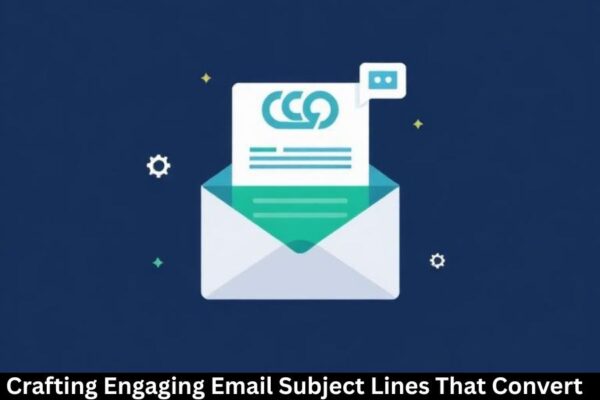
Email subject lines may look small, but they carry massive weight. In just a few words, you’re trying to stop someone mid-scroll and persuade them to open your email. Think of your subject line as a digital handshake—it’s the first impression that sets the tone for everything inside. When you craft it right, you don’t just increase open rates—you build curiosity, trust, and engagement.
Why Subject Lines Matter in Email Marketing
You could write the most persuasive email in the world, but if your subject line isn’t compelling, no one will see it. Subject lines influence that split-second decision: Should I open this or ignore it? The psychology behind open rates revolves around curiosity, relevance, and emotion. When you understand how your audience thinks, you can write subject lines that genuinely resonate.
Key Elements of a High-Converting Subject Line
Clarity
People won’t open what they don’t understand. Your message should be instantly clear.
Relevance
The subject line must match your reader’s needs, desires, or ongoing interests.
Curiosity
A little mystery encourages the reader to find out more—without being misleading.
Personalization
Names, locations, and personal data help you appear more thoughtful and human.
Brevity
Shorter subject lines work better, especially on mobile. Aim for 6–10 words.
Understanding Your Audience Before Writing
Before you write anything, learn who you’re talking to. Segment your list by behavior, demographics, interests, or purchase history. Align your tone with your audience—playful for casual brands, more formal for B2B. Use collected data to shape your messaging so every subject line feels tailor-made.
Emotional Triggers to Boost Open Rates
Urgency and Scarcity
Words like “last chance,” “ends tonight,” and “limited spots” push readers to act quickly.
FOMO (Fear of Missing Out)
Effective for event invites, product launches, and promotions.
Desire & Value
People are always looking for something that improves their life—highlight that in your subject line.
Surprise & Intrigue
Unexpected phrases or uncommon angles can spark immediate curiosity.
Personalization Techniques That Actually Work
First-Name Personalization
Simple but powerful—especially when paired with value-driven messaging.
Dynamic Content
Customize subject lines based on location, browsing behavior, or past purchases.
Behavioral Triggers
Abandoned cart? Browsed a product? These contextual clues unlock powerful subject line opportunities.
Power Words That Spark Engagement
Power words evoke emotion and drive action. They make your message feel stronger and more compelling. Words like “exclusive,” “insider,” “discover,” “free,” and “proven” boost engagement when used strategically. Just avoid overusing them—subtlety wins.
Email Subject Line Types That Convert
Question-Based Subject Lines
Questions spark curiosity and feel conversational.
Example: “Ready to boost your productivity?”
Curiosity-Driven
Give a hint, not the whole story.
Example: “You won’t believe what we’ve launched…”
Benefit-Focused
Highlight what the reader gains.
Example: “Grow your revenue with this simple shift”
Numbers & Lists
Numbers attract eyeballs and promise structure.
Example: “5 tips to sleep better tonight”
How-To Subject Lines
Still one of the best formats for value-based content.
Example: “How to double your email conversions”
Story-Based Subject Lines
Humans love stories—use them to draw readers in.
Example: “I almost gave up—until this happened…”
The Role of A/B Testing
A/B testing is your secret weapon for improvement. Test one variable at a time—length, tone, personalization, or formatting. Analyze open rates and engagement to see what your audience prefers. Over time, these insights will shape stronger campaigns.
Avoiding Common Mistakes
Spammy Language
Words like “urgent!!!”, “act now,” or “FREE!!!” trigger filters and reduce trust.
Overuse of Emojis
One emoji is fine. Five is chaos.
Clickbait
Never promise what your email doesn’t deliver.
Excessive Punctuation
Keep things clean—one question mark is plenty.
Writing Mobile-Friendly Subject Lines
More than half of emails are opened on phones, which means you must optimize for smaller screens. Keep your subject line concise. Use preheader text to complement the subject and add context.
Industry-Specific Subject Line Tips
E-Commerce
Highlight discounts, new arrivals, or limited-time offers.
SaaS
Focus on value, problem-solving, and product improvements.
Service Providers
Build trust with helpful tips or expert insights.
Coaches & Consultants
Use motivational or transformational language.
Advanced Strategies for Higher Conversions
Using AI Tools
AI can help you brainstorm variations and predict performance.
Predictive Analytics
Use data to determine which subject lines your audience is most likely to engage with.
Send-Time Optimization
Timing matters—send emails when your audience is most active.
Real Examples of High-Converting Subject Lines
Here are a few examples with quick breakdowns:
- “Your exclusive invite inside” — Creates mystery + exclusivity
- “We picked this just for you” — Personalization
- “Last chance to save 30% today” — Urgency
- “This changed everything for me…” — Story-driven curiosity
- “How to master your mornings in 10 minutes” — Benefit + clarity
Each works because it connects emotionally while promising clear value.
Conclusion
Crafting engaging email subject lines is both an art and a science. With a blend of emotional triggers, clarity, personalization, and strategic testing, you can dramatically increase your open rates and conversions. Remember, your subject line is more than a headline—it’s an invitation. Make it irresistible, relevant, and worth opening.
FAQs
1. How long should an email subject line be?
Aim for 6–10 words or about 40–50 characters for maximum impact, especially on mobile.
2. Should I use emojis in subject lines?
Yes, but sparingly—one emoji can boost engagement, but too many can look unprofessional.
3. What’s the best type of subject line?
It depends on your audience, but curiosity-driven and benefit-focused lines often perform best.
4. Is personalization necessary?
It’s not required, but personalized subject lines usually have significantly higher open rates.
5. How often should I A/B test my subject lines?
Ideally, every major email campaign should include an A/B test to continually optimize performance.